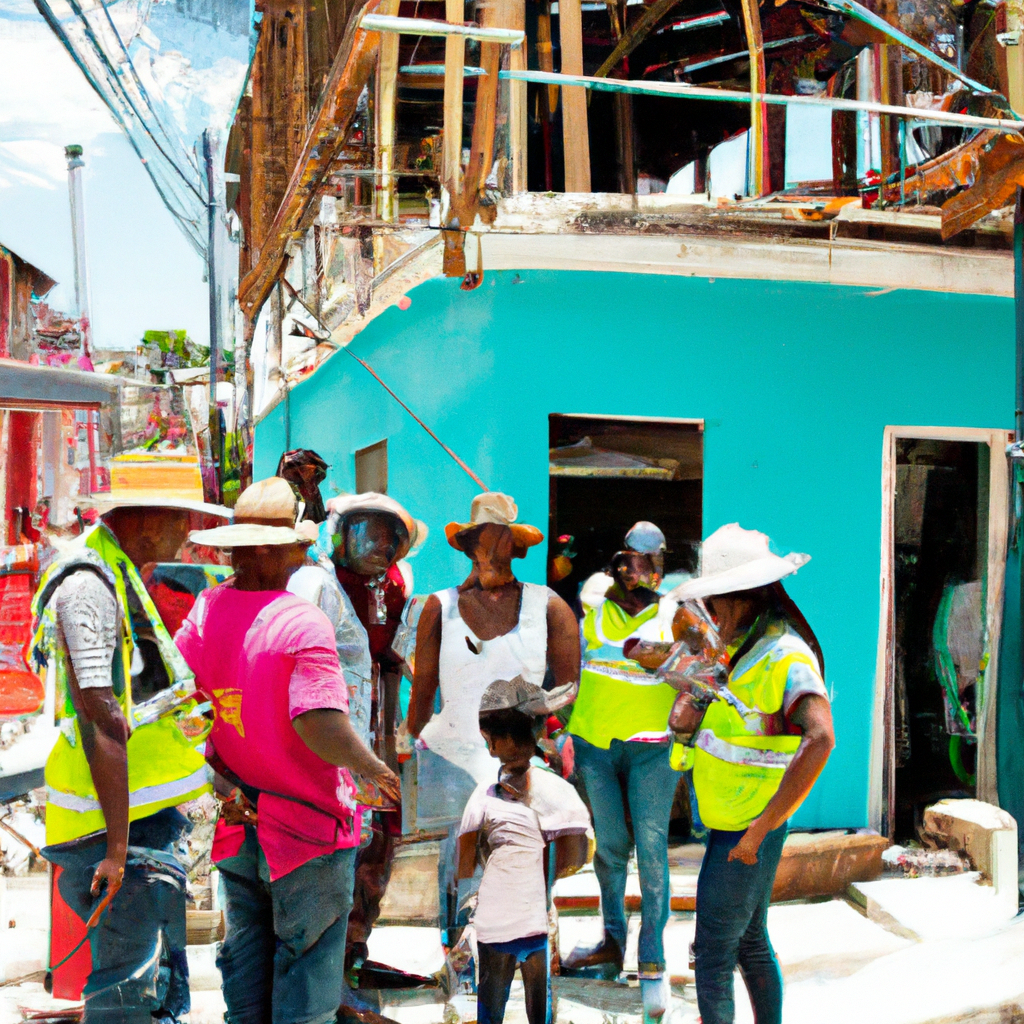
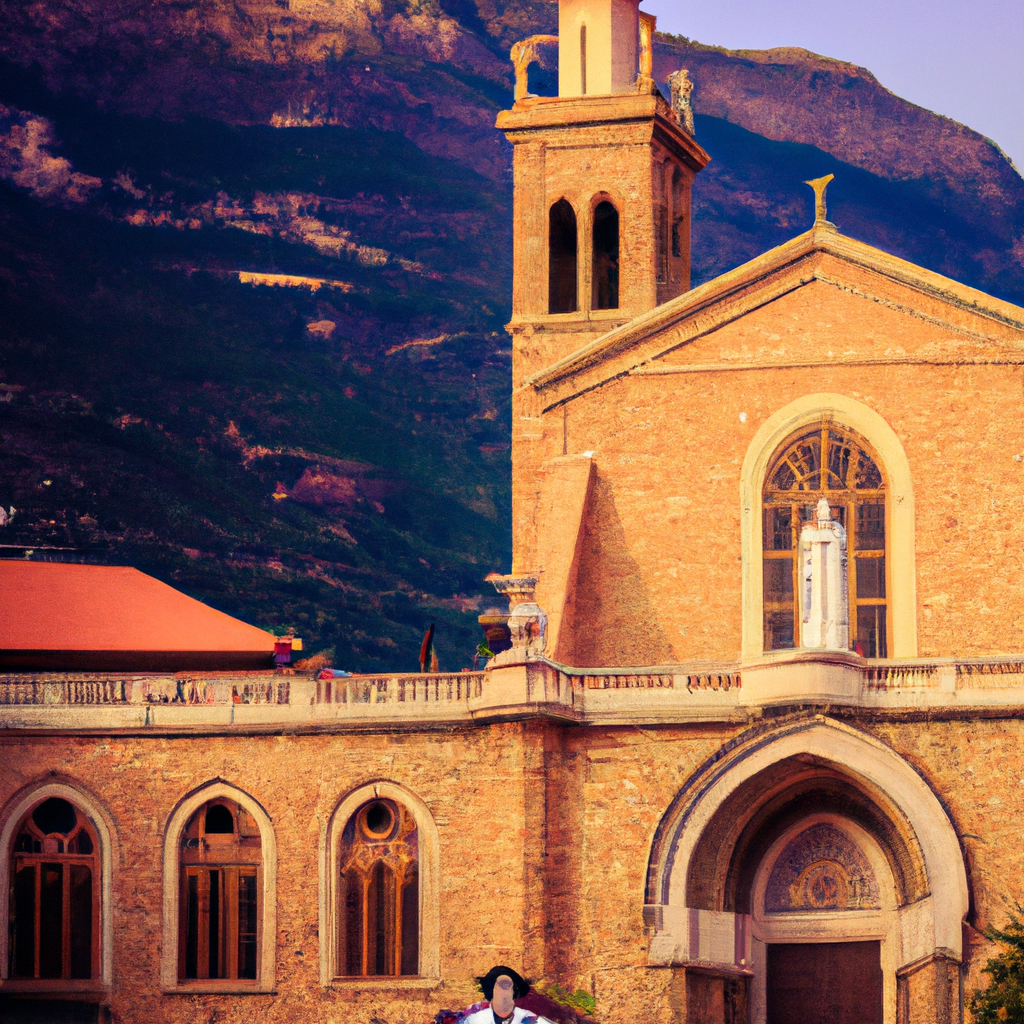
Pope Leo visited Lebanon as part of his efforts to promote peace in the Middle East, amidst a backdrop of increasing emigration among Christians in the region. His visit, which coincides with heightened political and social tensions, aims to address the plight of minority communities facing persecution and instability. The Pope’s message emphasized the need for peaceful coexistence and the importance of efforts toward a two-state solution to the Israeli-Palestinian conflict, reflecting broader concerns over the future of Christians in the Middle East.
The exodus of Christians from countries such as Lebanon, Syria, and Iraq has accelerated in recent years due to factors including sectarian violence, economic hardship, and political instability. Reports indicate that many Christians feel increasingly marginalized and unsafe, prompting them to seek refuge in Western nations. This demographic shift poses significant implications for the cultural and religious landscape of the region, as centuries-old Christian communities face the threat of extinction.
Looking ahead, the Pope’s call for dialogue and understanding among different faiths may foster hope for a more stable environment for Christians in the Middle East. However, the effectiveness of such diplomatic appeals remains uncertain in a complex geopolitical landscape marked by ongoing conflicts and humanitarian crises. The international community’s response to these challenges will be crucial in determining the future of Christian populations in the region, as well as the overall stability of Middle Eastern societies.