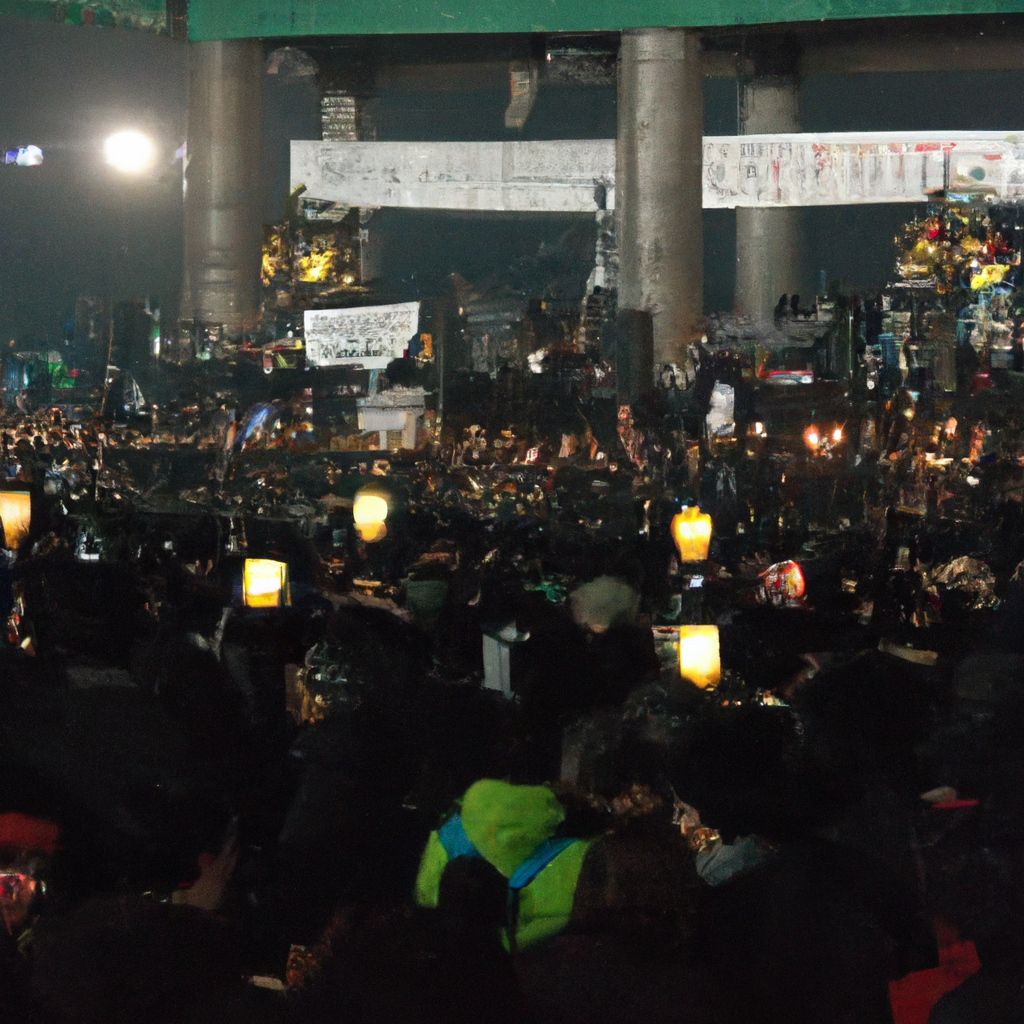
As South Korea marks the anniversary of the declaration of martial law, President Lee Jae-myung has called for justice against those responsible for state violence during this turbulent period in the nation’s history. The martial law, which was imposed in 1980, has been a significant event that shaped South Korea’s democratic development. In a speech delivered on December 3, 2023, President Lee stated, “We must ensure that the perpetrators of state violence face justice for their actions. Our citizens deserve recognition for their resilience against oppression.”
Historically, the martial law was enacted in response to widespread protests and civil unrest, particularly in Gwangju, where the military crackdown resulted in numerous civilian casualties. According to the National Human Rights Commission of Korea, at least 200 people were killed during the Gwangju Uprising. The legacies of these events continue to influence contemporary South Korean politics and social discourse, with calls for accountability remaining prevalent. Lee’s remarks align with a broader movement in South Korea advocating for the recognition of human rights violations and the importance of preserving democratic values.
In a significant move, President Lee announced plans to designate December 3 as “People’s Sovereignty Day” to commemorate the restoration of democracy in South Korea. This initiative is seen as a step towards fostering a collective memory of the struggles against authoritarianism and reinforcing the importance of civic engagement. Analysts suggest that such commemorations not only honor the past but also serve to educate younger generations about the importance of democracy and human rights.
Moreover, Lee’s assertion that South Koreans deserve a Nobel Peace Prize for their role in overcoming martial law reflects a growing recognition of the civil society’s efforts in promoting peace and democracy in the region. The political implications of these statements may influence future governance and public policy, as citizens demand a more transparent and accountable government. This event also comes in the wake of increasing political polarization in South Korea, highlighting the need for unity and reconciliation in a society still grappling with its historical injustices.
As South Korea navigates its complex political landscape, the emphasis on accountability and remembrance is crucial. The call for justice resonates not only with those affected by past state violence but also with a population that seeks to ensure such events are not repeated. The ongoing discussions surrounding these historical events underscore the fragility of democracy and the necessity for continuous vigilance in protecting human rights.